
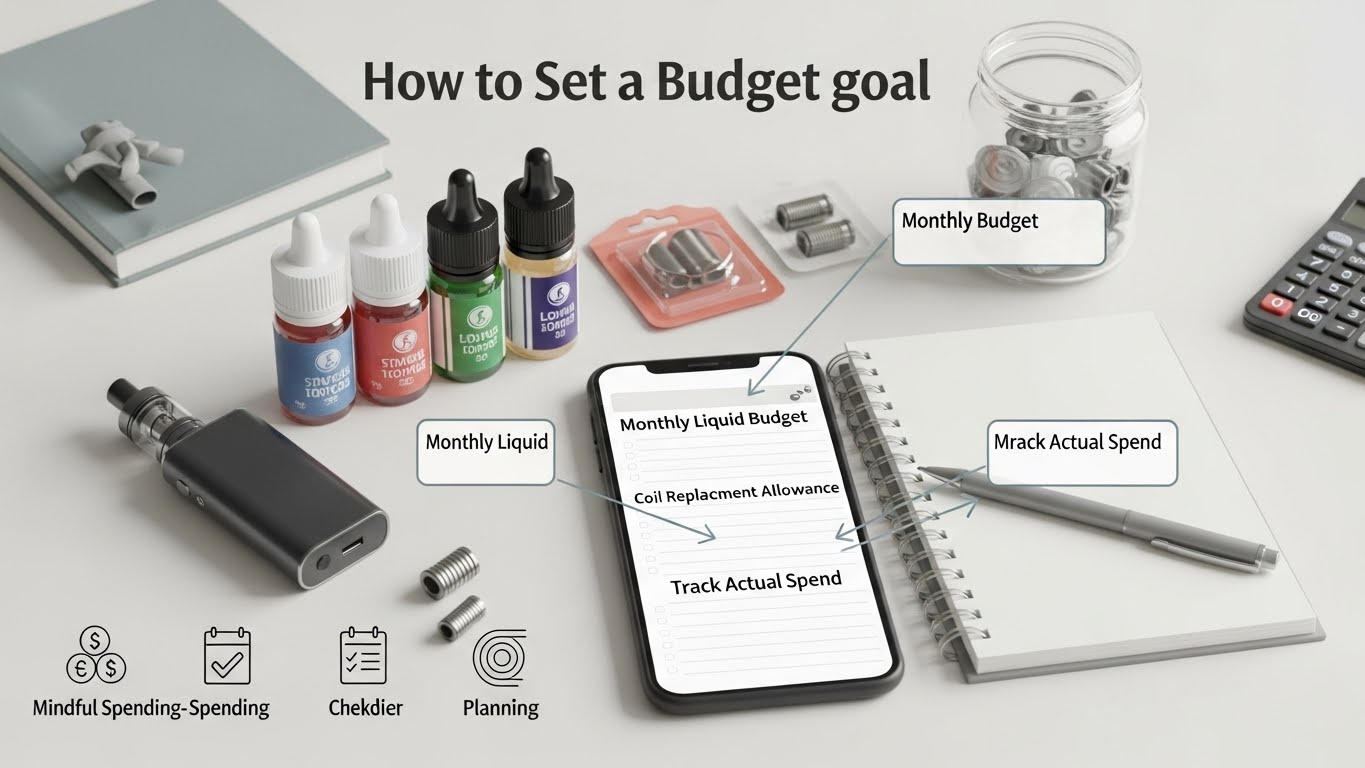
 Setting a budget goal for liquids and coils is essential for businesses in various industries, from manufacturing to food production. Effective budgeting not only helps in cost management but also ensures that your operations run smoothly. This article will guide you through the steps to create a budget goal for liquids and coils, enhancing your financial planning and operational efficiency. For more info: https://e-liquids.com/collections/vape-juice
Understanding Liquids and Coils
What Are Liquids and Coils?
Liquids refer to any fluid substances used in your operations, which could include oils, chemicals, or even food-grade liquids. Coils, on the other hand, often pertain to pipes or tubing that transport these liquids. Understanding the nature of the liquids and coils you use is crucial for accurate budgeting. Click here: https://e-liquids.com/collections/vape-kits
Why Budgeting Matters
Budgeting allows you to allocate resources effectively, minimize waste, and predict future expenses. By setting a budget goal specifically for liquids and coils, you can track spending and identify areas for improvement.
Steps to Set a Budget Goal for Liquids and Coils
Setting a budget goal requires a strategic approach. Here’s a step-by-step process to help you get started.
Step 1: Evaluate Historical Data
Analyze Past Expenses
Begin by reviewing your historical spending on liquids and coils. Analyze invoices, purchase orders, and any other relevant financial documents from the previous year. Look for trends in usage and costs.
Identify Seasonal Variations
Some industries experience seasonal fluctuations in liquid and coil usage. Understanding these patterns can help you establish a more accurate budget for the upcoming period.
Step 2: Forecast Future Needs
Assess Operational Requirements
Consider your operational needs for the upcoming year. Are you launching new products or expanding your services? Changes in your operations can significantly affect the amount of liquids and coils you’ll require.
Consult with Relevant Departments
Engage with your procurement, production, and finance teams to gather insights on expected changes in liquid and coil usage. Their expertise can help you make informed predictions.
Step 3: Set Clear Budget Goals
Define Your Budget Parameters
With all the necessary data gathered, it’s time to set clear budget parameters. Determine both fixed and variable costs associated with liquids and coils. Fixed costs may include equipment maintenance, while variable costs may involve the price of raw materials.
Establish Budget Limits
Once you have a comprehensive understanding of your costs, set budget limits. These limits should be realistic and align with your overall financial goals. Consider factors such as cash flow and available funds.
Step 4: Monitor and Adjust
Track Spending Regularly
After setting your budget, it’s crucial to monitor your expenses regularly. Use accounting software or budgeting tools to track spending in real-time. This practice will help you identify any discrepancies early on.
Adjust as Necessary
If you notice that your spending is consistently exceeding your budget, it may be time to reassess. Identify areas where you can cut costs or make adjustments to your budget goals. Flexibility is key to effective budgeting.
Best Practices for Budgeting Liquids and Coils
Use Technology to Your Advantage
Invest in budgeting software or tools that can automate tracking and reporting. These solutions can save time and minimize errors, allowing you to focus more on strategic decision-making.
Maintain Open Communication
Encourage open communication among all departments involved in the budgeting process. Regular meetings can help keep everyone aligned and informed about any changes that may affect the budget.
Conduct Regular Reviews
Conduct quarterly reviews of your budget to ensure it remains relevant. This practice allows you to adapt to changes in the market or your operational needs.
Conclusion
Setting a budget goal for liquids and coils is a vital component of financial planning for businesses. By evaluating historical data, forecasting future needs, and monitoring spending, you can create a budget that supports your operational goals. Remember to remain flexible and open to adjustments as needed. With the right approach, you’ll be well-equipped to manage your resources effectively, ensuring a successful and financially sound operation.
By following these guidelines, you can take control of your budgeting process and optimize your spending on liquids and coils, paving the way for sustainable growth and profitability.
